
When Health Data Truly Serves the Public
Rwanda is widely recognized for using data to guide decisions in healthcare. From planning services to responding to outbreaks, evidence has long shaped how the health system works. Today, as electronic medical records and artificial intelligence become part of everyday healthcare, a new and important question comes to the surface:
How can Rwanda use health data to improve lives while keeping people’s information safe and respected?
The answer is coming together through Health Data Governance (HDG). This is not just about policies or rules. It is about building trust. A key milestone was reached on August 23, 2024, with the launch of the Health Data Governance Technical Working Group (TWG) a national effort to make sure health data benefits everyone, without harming anyone.
What Is Health Data Governance, really?
Health Data Governance is about how health data is handled, shared, and protected, so it can be useful and safe at the same time.
In Rwanda, HDG focuses on three simple ideas:
Protection: People’s health information is personal. Governance ensures strong safeguards against data breaches, misuse, or unauthorized access, in line with Rwanda’s data protection law.
Purpose: Health data should be used where it makes the biggest difference, helping doctors make better decisions, supporting hospitals, guiding national health planning, and strengthening preparedness for emergencies like pandemics.
Participation: People have the right to understand how their data is used. When citizens trust health institutions and see benefits from shared data, everyone gains.
Why This Matters to Patients and Communities?
HDG is not an abstract concept; it affects real people.
At the August 2024 Breast Cancer Symposium in Kigali, health professionals discussed how data directly influences patient care. From these discussions, four clear lessons emerged:
- Trust matters: When patients understand how their data helps others, they are more willing to share it.
- Security is essential: Protecting data strengthen the relationship between patients and healthcare worker.
- Equity must be intentional: Health Data must serve rural health facilities as well as major hospitals.
- Innovation needs responsibility: As AI tools enter healthcare, clear rules are needed to prevent bias and harm.
RHIA’s upcoming awareness campaigns will ensure citizens understand their data rights and how shared data improves healthcare.
How Rwanda Built Its Approach
Rwanda’s progress has been built through sustained dialogue, learning, and collaboration, not overnight or behind closed doors.
Kigali Consultation on Health Data Governance (March 2024)
Health experts from Rwanda and the region met in Kigali to discuss cross-border health data governance, recognizing that diseases do not respect national boundaries and neither should responsible data sharing. The consultation helped shape a “Model Law on Health Data Governance” that supports safe data exchange across countries.
From Ideas to Action: Launch of the Technical Working Group (August 2024)
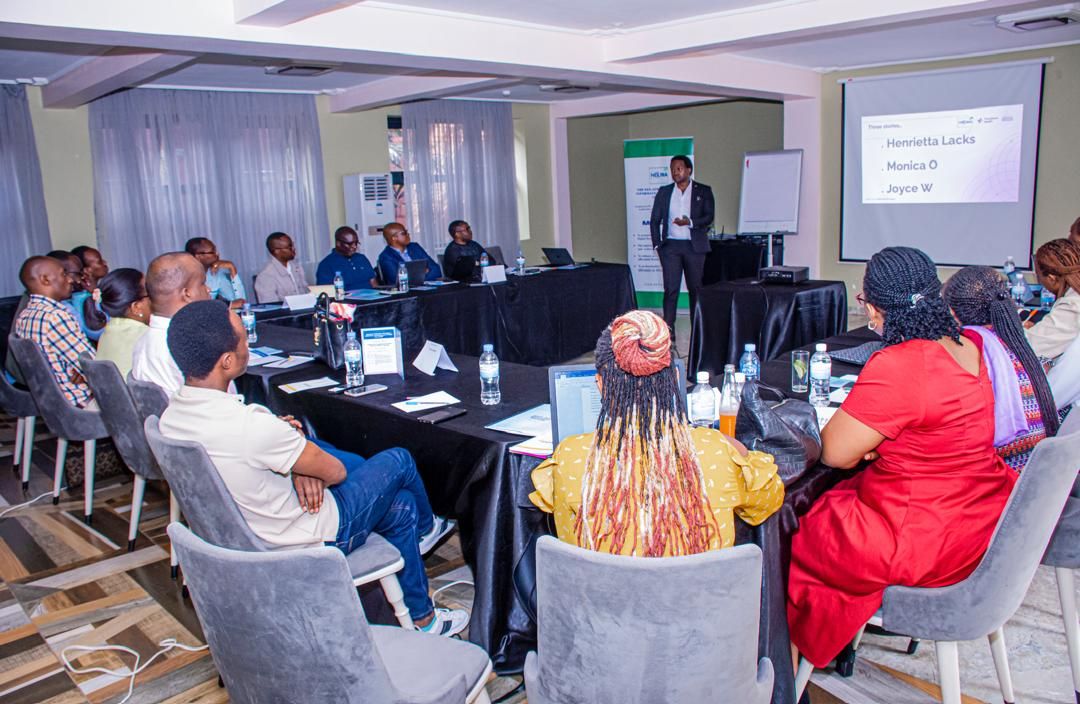
Action is at the heart of the HDG Technical Working Group. With 38 experts drawn from government, universities, and civil society, this group is dedicated to turning high-level ideas into real-world impact. By meeting regularly and tracking progress, they ensure that health data principles lead to meaningful change. The group officially kicked off with a powerful coalition of leaders from the Ministry of Health and RISA, joined by frontline clinicians, legal experts, and tech innovators.
The shared message was clear: good governance enables innovation; it does not block it.

From Vision to Action: National Validation Workshop (October 2025)
By 2025, Rwanda moved from discussion to implementation. The National HDG Implementation Roadmap (2025–2028) was approved, with four main priorities:
- Making systems talk to each other: By adopting a common standard (HL7 FHIR), health systems can safely share information, improve care and reduce duplication.
- Guiding the use of AI in healthcare: Ethical review boards will help ensure AI tools are fair, transparent, and suitable for Rwandan patients.
- Helping the public understand health data: National campaigns will explain people’s data rights and how shared data improves healthcare.
- Strengthening health facilities nationwide: IT support, equipment, and connectivity will be extended to district hospitals and health centers, where most care begins.
These priorities align with global best practices and demonstrate Rwanda’s readiness to lead in responsible digital health innovation.